Project MOA Project MOA Project MOA
Project MOA
Award-Nominated Air Traffic Control System Redesign
ABOUT
The air traffic control system is fragile, struggling to empower controllers in making high-stakes decisions daily. In summer 2023, I worked on Project MOA, a competition for the FAA (Federal Aviation Administration) to redesign part of this system in preparation for a major overhaul.
Our team became finalists, presenting research and high-fidelity mockups to FAA officials in Washington DC, highlighting challenges air traffic controllers face and potential solutions. The FAA expressed interest in integrating many of our ideas into a new traffic management tool & in 2024, the project was shortlisted for the Interaction Design Awards.
MY ROLE
Research, User Interviews, Architecture Planning, Wireframing
TIMELINE
Feb - Jun '23
TOOLS
Figma
Figjam
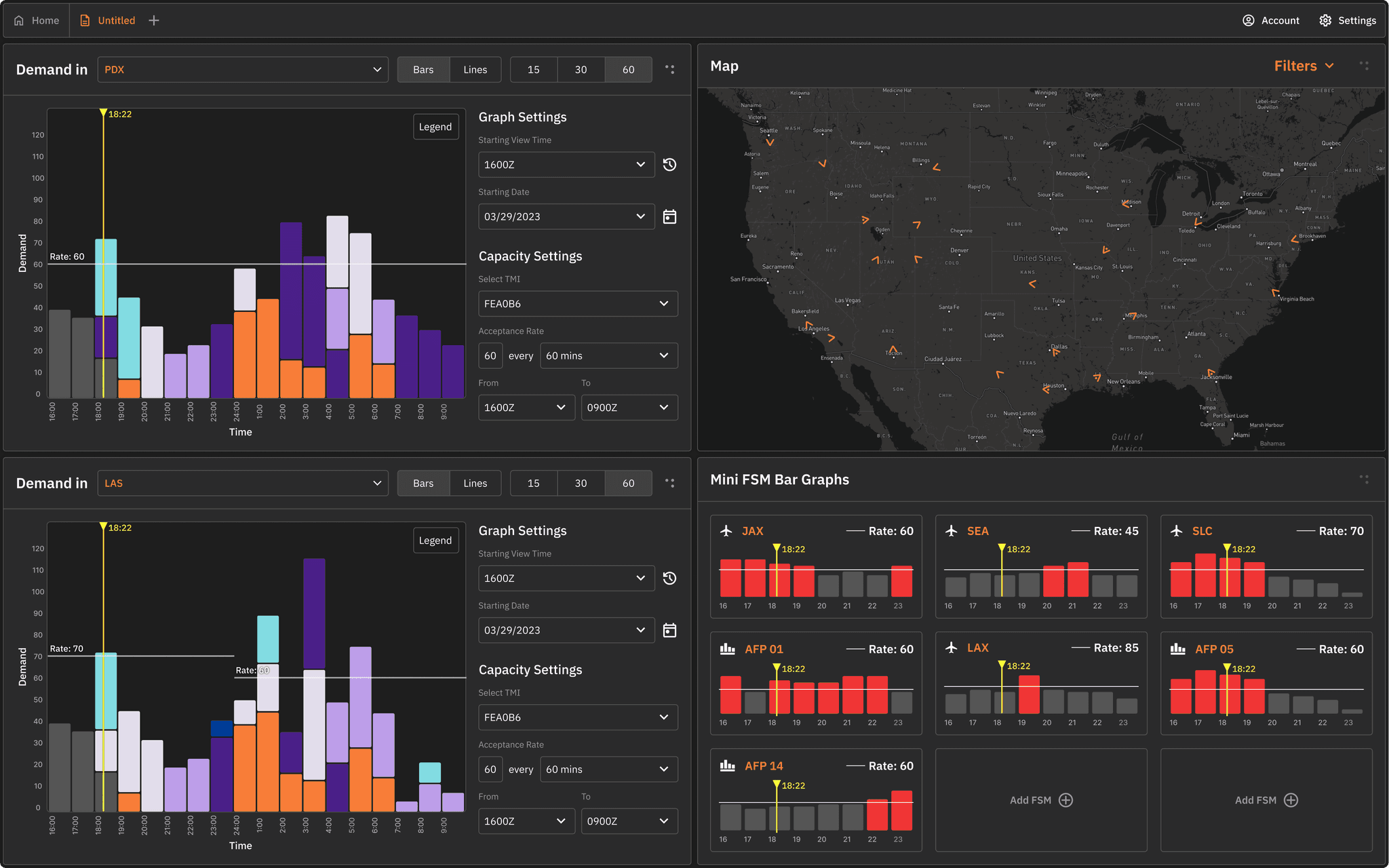
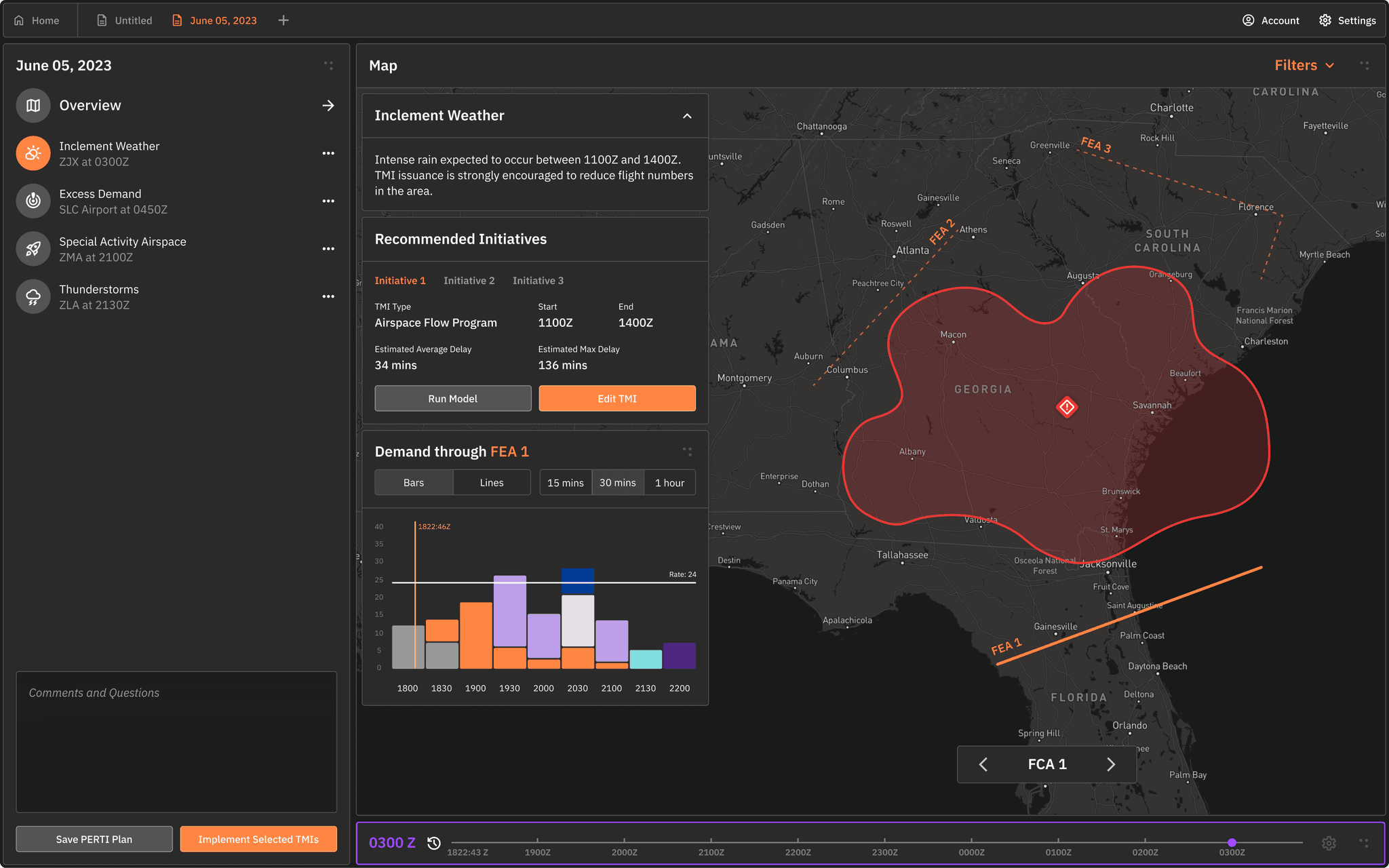
The air traffic control system is extremely fragile
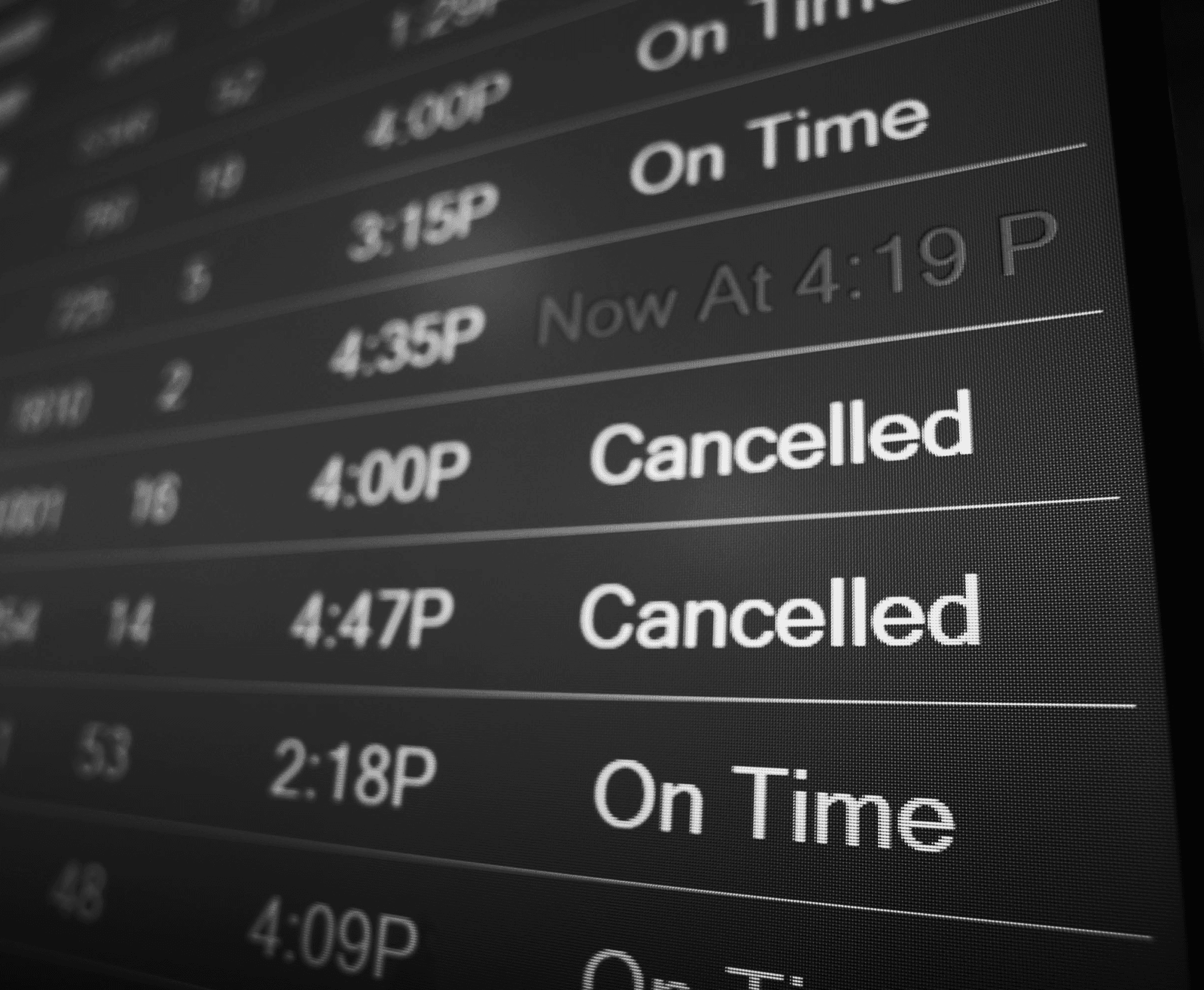
Picture this: You’re flying home after a wonderful holiday break, stressed about traveling during peak season. Then you find out your flight is delayed—not due to weather or plane issues, but because of Air Traffic Control system failures.
This was the reality for many Americans in January 2023, when the fragility of the Federal Aviation Administration’s (FAA) Air Traffic Control system became glaringly apparent. On January 2nd, one of the busiest travel days of the year, dozens of Florida flights were delayed due to a system glitch. Just nine days later, a nationwide FAA system outage—the first in over 20 years—disrupted over 11,000 flights, causing widespread chaos.
An outdated system fails to deliver
At the heart of this fragility is an outdated, chaotic system made up of more than 100 disconnected software tools. Instead of empowering air traffic controllers in their high-stakes roles, these tools create inefficiencies, often standing in the way of the FAA’s mission to ensure safe, efficient, and timely air travel.
Understanding the system
In spring 2023, I joined a student team tasked with redesigning parts of the FAA's system as they prepare for a system revamp in the coming years. While we couldn't access their actual software, we dove into over 200 pages of dense technical documentation they provided to better understand the system. The challenge? Decoding the endless FAA acronyms and jargon.
Spending hours in the documentation was a tedious yet valuable exercise in putting in the work to better understand our users. Doing this gave us confidence in our communication with them moving forward.
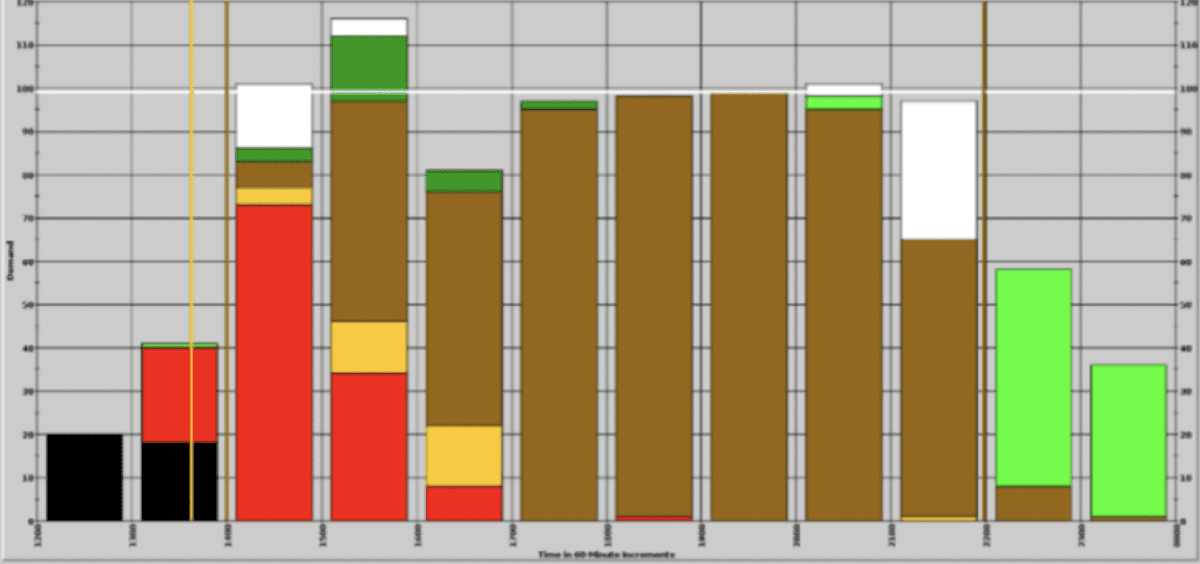
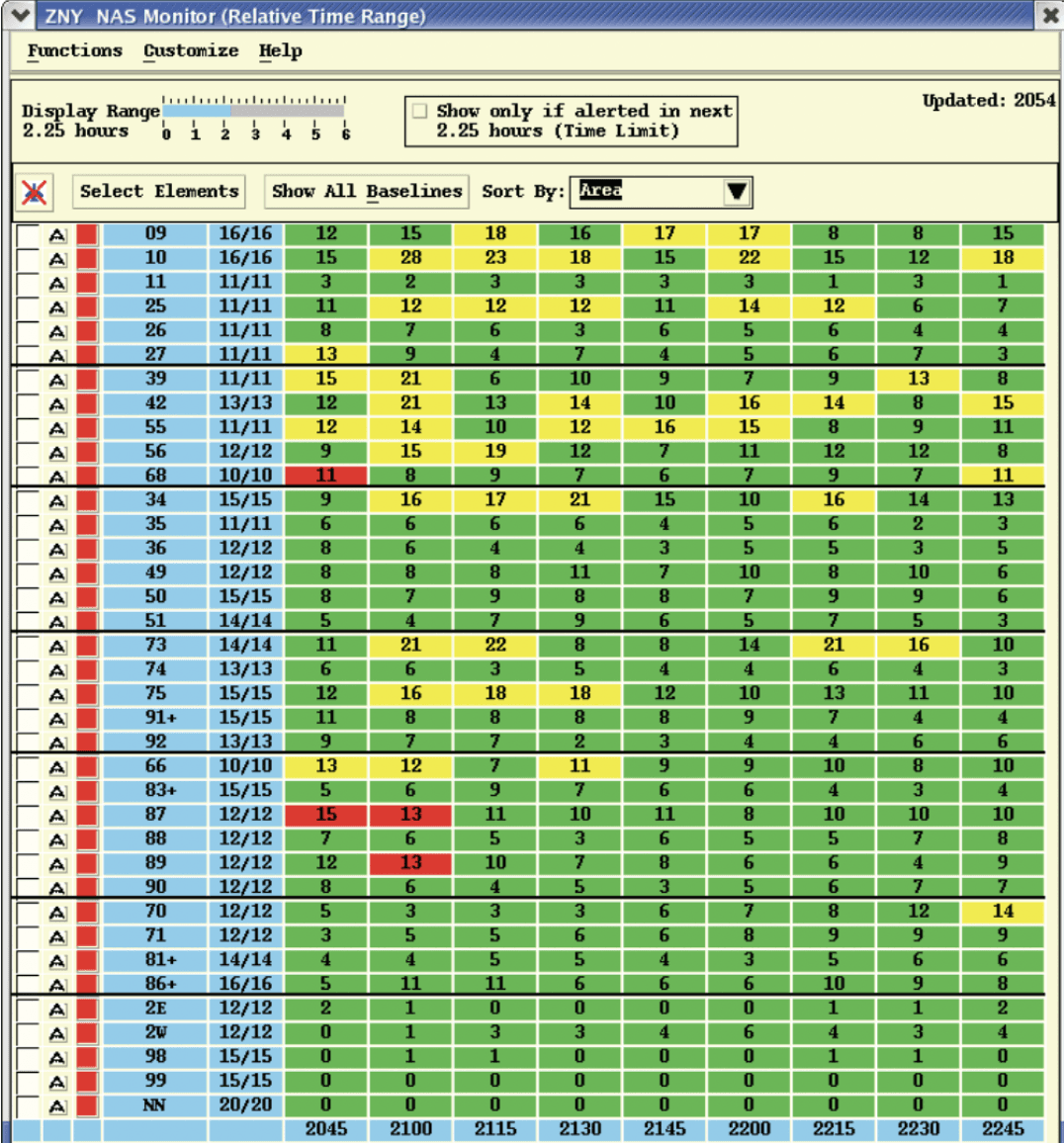
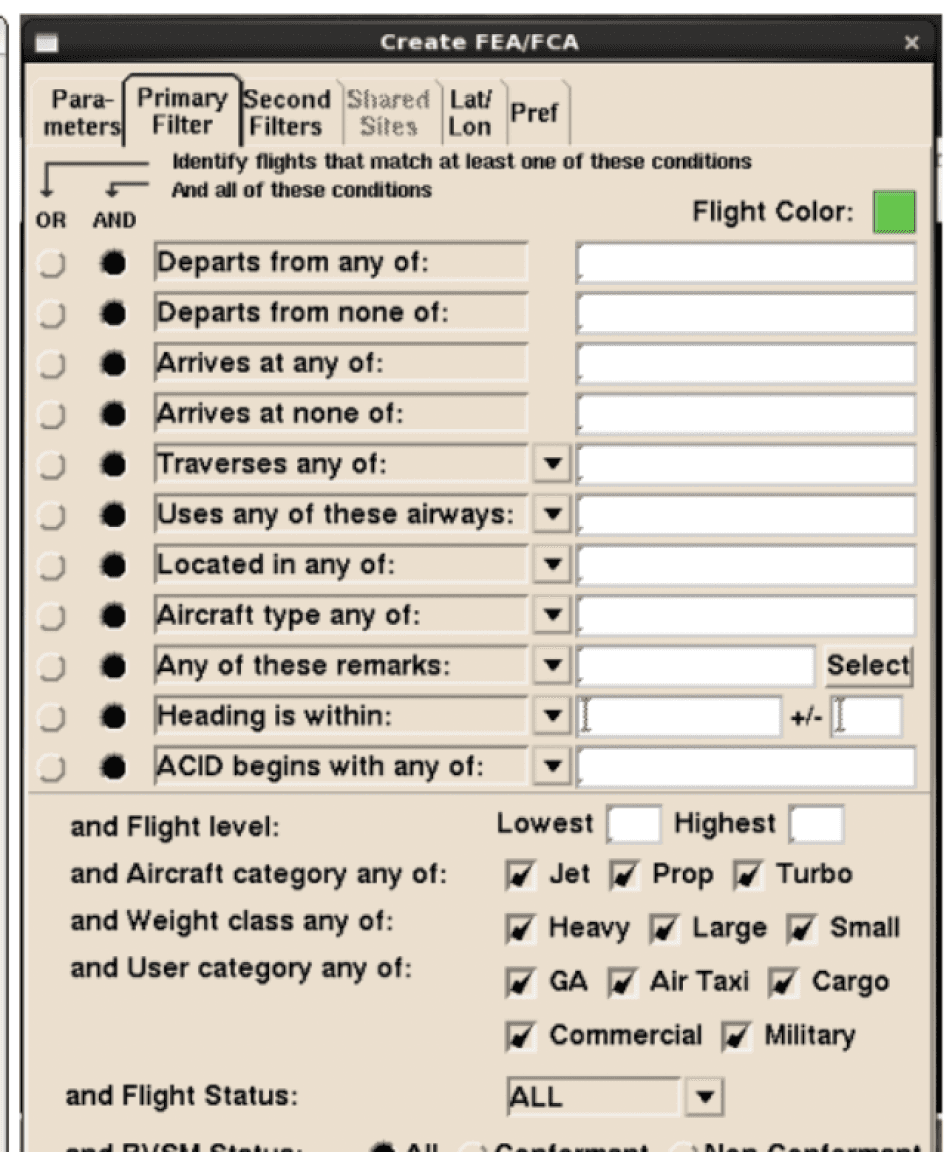
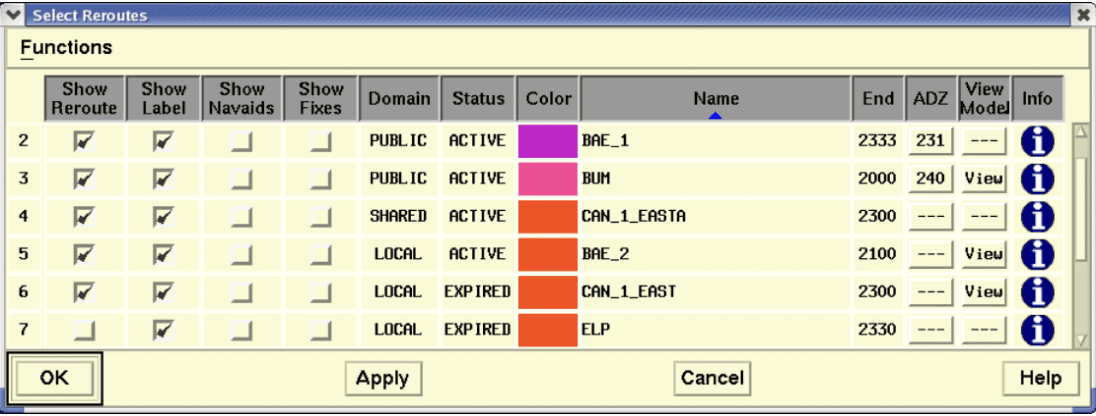
Various system windows disclosed in the documentation
Organizing Complex User Workflows
With a solid initial understanding of the air traffic control software, it was time to flow chart and diagram the various air traffic controller user flows we learned about through the provided documentation. We organized the chart, recording each action, the things needed to accomplish that action, and including questions we were unclear about to ask users. This step was crucial in being able to organize step by step the various user tasks and jobs to be done.
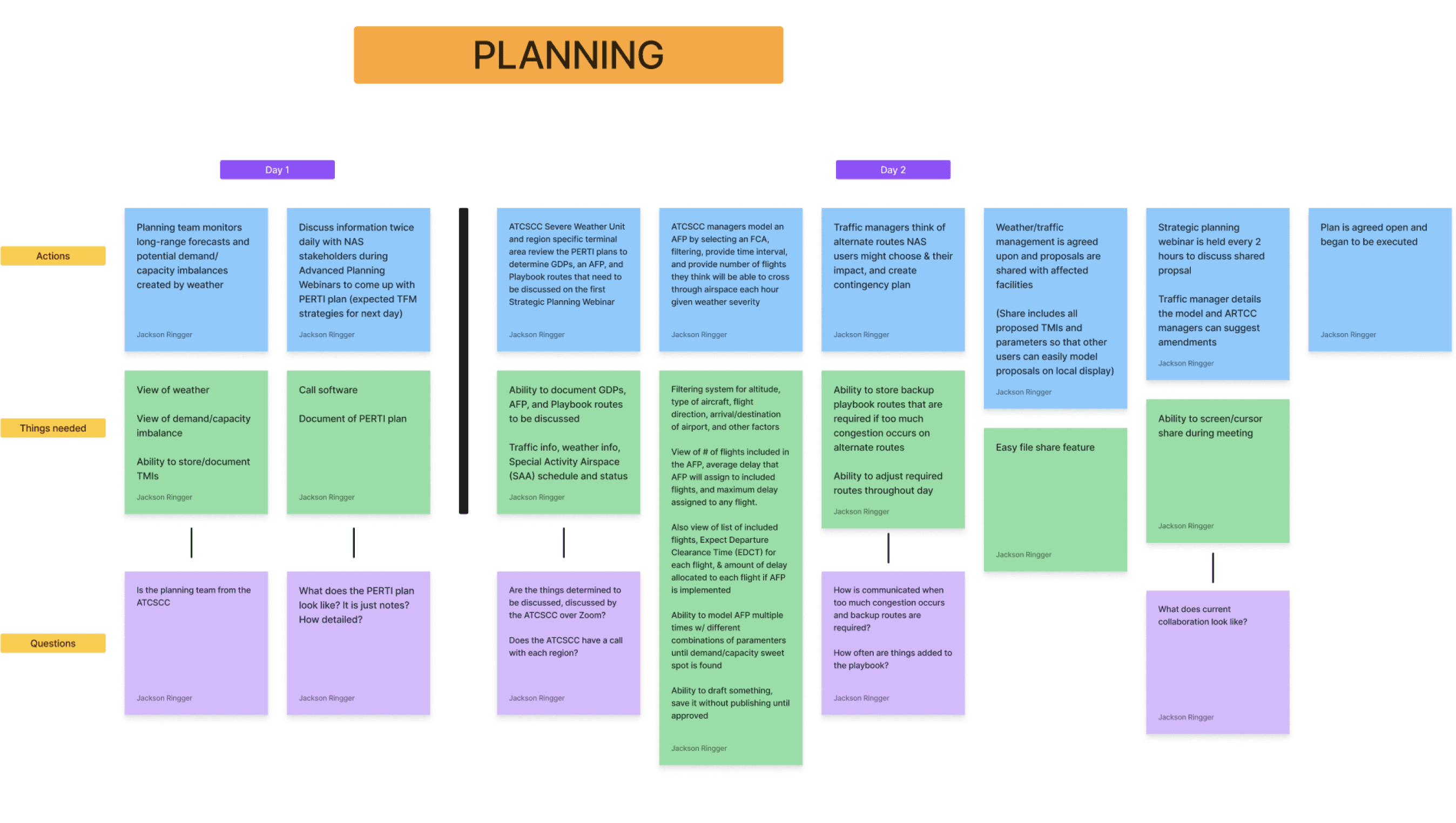
Example of a flow chart I spearheaded the research on. Charting in this way allowed for better comprehension of complex user workflows
Talking with users & field research
After hours of preparation, it was finally time to interview users. Our prior research—learning about FAA software and understanding user needs—paid off, giving us confidence and enabling us to ask insightful questions. We interviewed 10 users, including managers, dispatchers, and traffic management coordinators, and conducted 3 facility visits at local airports to get a sense of the work environment. These interviews and field research helped us identify pain points and define a persona that guided the rest of our design process.
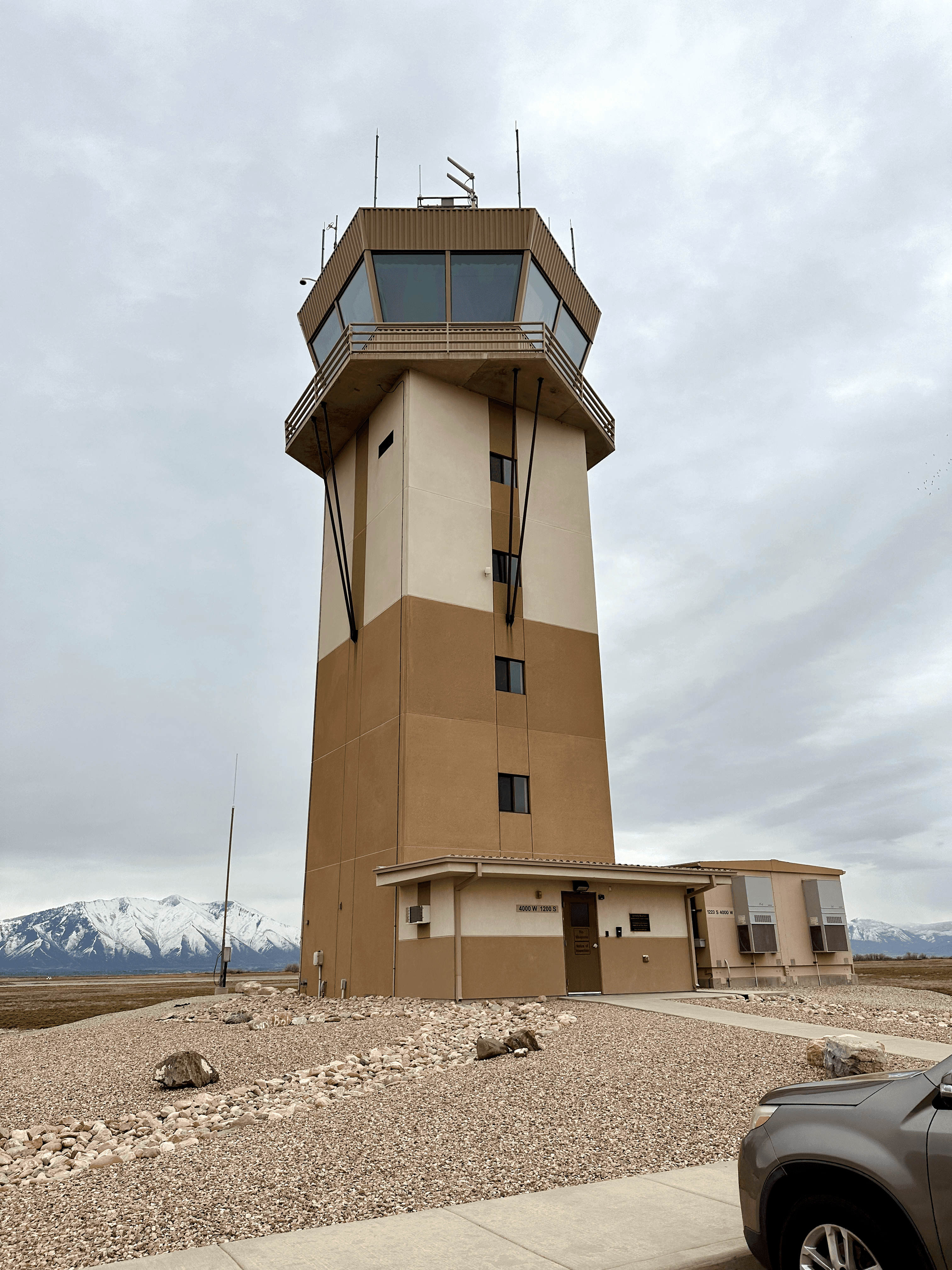
A local air traffic control tower we
visited in Provo, Utah
Meet Jean, our air traffic controller persona
With more than ten years of experience in air traffic management in Washington, DC, Jean has a deep understanding of the intricacies of the current system.
Jean's main jobs to be done include:
Monitor weather & other types of potential obstructions in the airspace.
Minimize aircraft congestion in the airspace.
Monitor aircraft demand vs. capacity.

Turning our research into designs
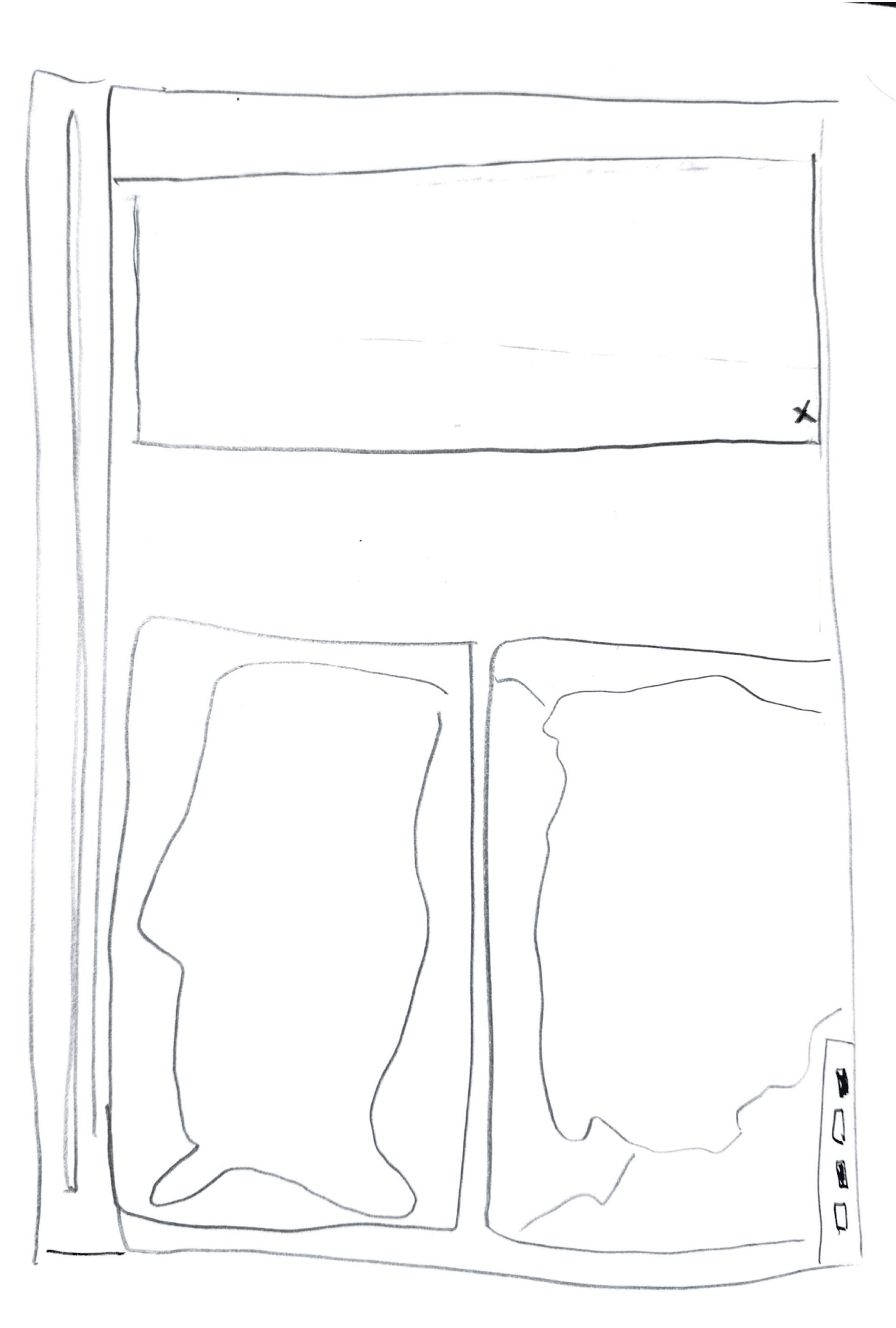
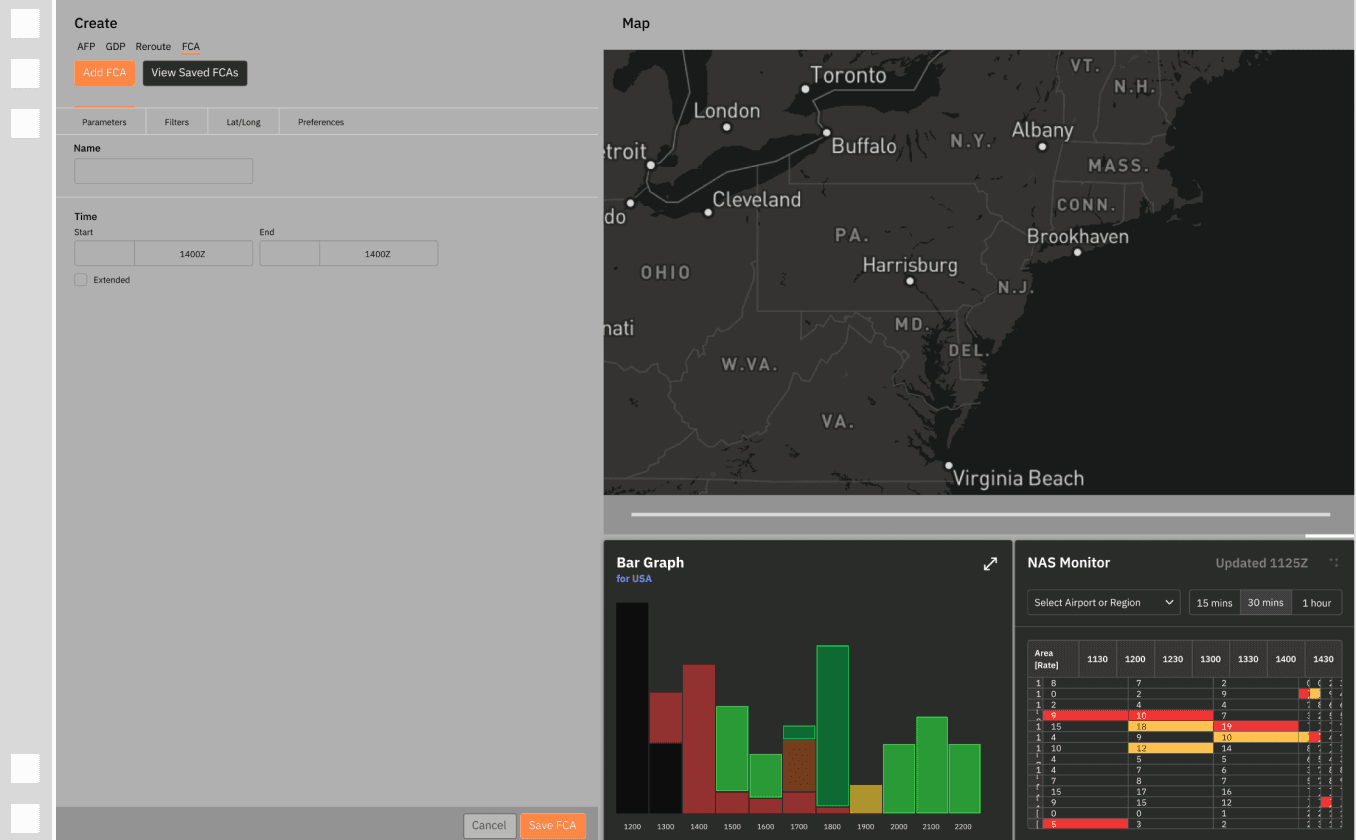
Defining our persona helped us narrow our scope and focus on what mattered most as we transitioned into designing visual solutions. Meeting twice weekly, our team brainstormed and refined ideas to address the challenges Jean and other air traffic controllers face. Each session involved presenting design concepts, sharing wireframes, and gathering feedback. The following section highlights our hi-fidelity design solutions.
The Results
Our team collaborated to come up with design solutions for three major challenge air traffic controls deal with daily, starting with:
PROBLEM
Lack of Decision Support Tools
The current software provides a user with all the tools to perform every necessary action, but is very inefficient in guiding them towards the correct actions to take. This inflicts a large responsibility on the user, requiring them to spent excess time seeking out important data to make a well-informed decision.
SOLUTION
Lack of Decision Support Tools
The Addition of Robust Decision Support Tools
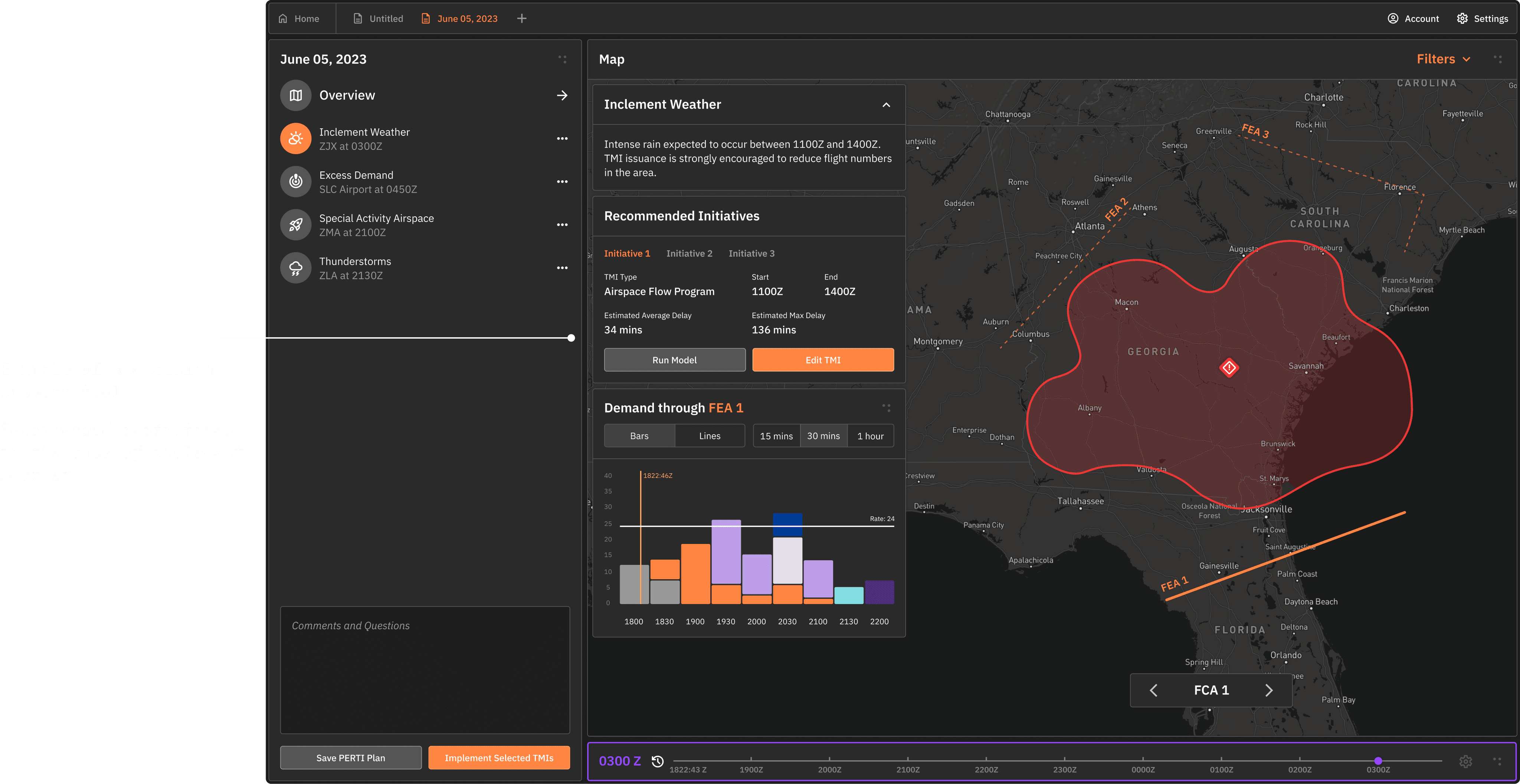
We found that air traffic controllers, like Jean, often have to consult a 1199-page online PDF, the “National Severe Weather Playbook,” to reroute planes during weather events. This outdated process wastes precious time and complicates the already time-sensitive work of air traffic control.
Our redesign addresses this by delivering just-in-time information, ensuring controllers have the necessary tools at the right moments in their workflow. An automated system pulls data from the FAA database to suggest optimal actions based on the situation. These decision support tools streamline the process, allowing controllers to make quick, accurate decisions, saving time and reducing human error.
PROBLEM
Application and Window Overload
As Jean performs her job, it’s not uncommon to see her with over 20 open windows spanning 12+ monitor screens to help accommodate the 100+ current standalone traffic management tools. All depicted with various dated user interfaces, this becomes a huge navigational headache.
SOLUTION
Lack of Decision Support Tools
An Updated, Comprehensive, User Interface
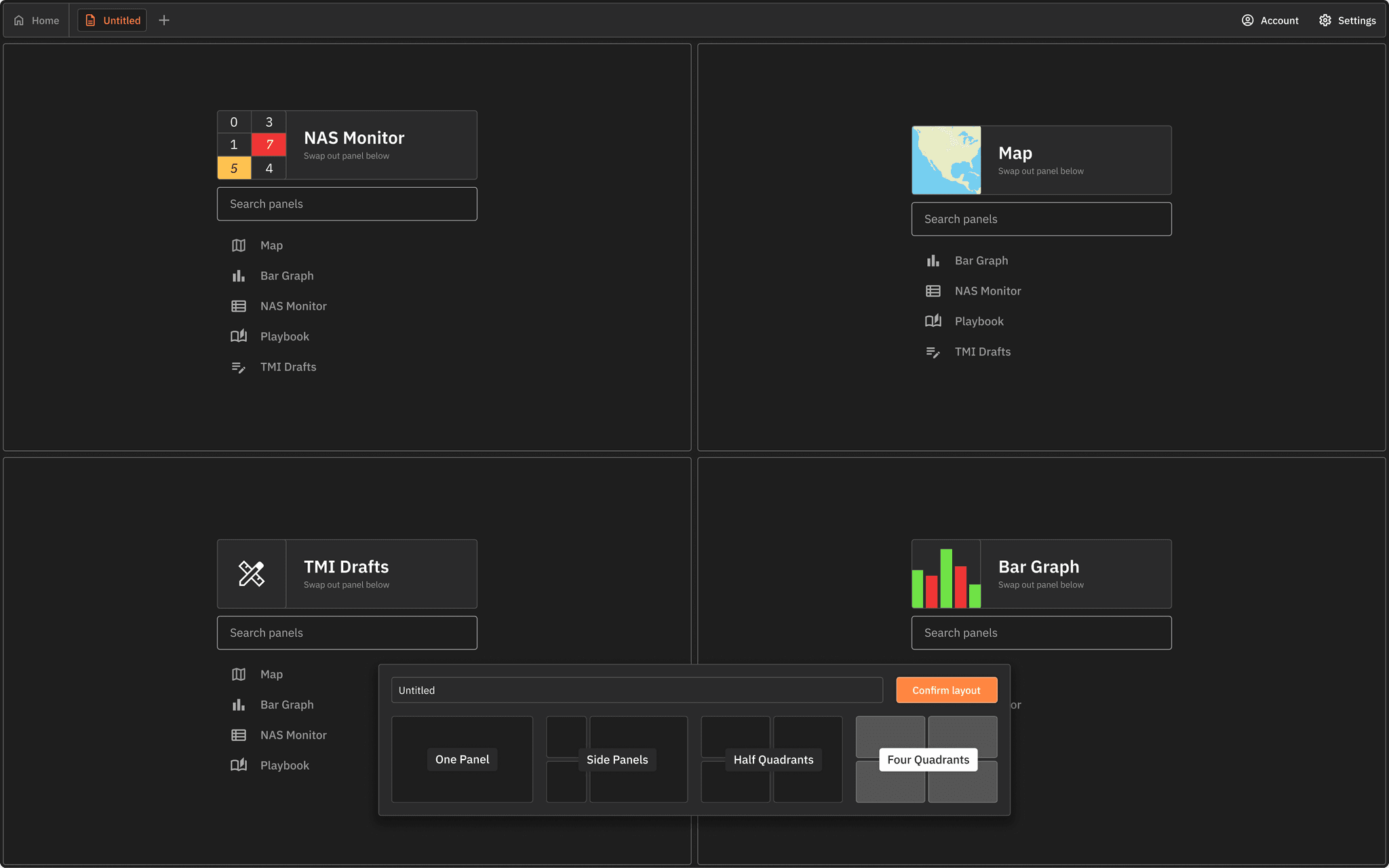
Through our research, we found that air traffic controllers like Jean often feel conflicted when using the current system, overwhelmed by its numerous windows and applications. This creates cognitive dissonance, leading to confusion, frustration, and unclear mental models about what to do next.
Our redesign addresses this by consolidating these tools into a single, streamlined interface. We introduce a new system architecture with customizable “spaces” that organize tabs and panel layouts to fit specific situations. Users can adjust these panels to display relevant data, visualizations, and map views, offering flexibility and improving user flow.
PROBLEM
Absence of System Direction
The current system lacks a notification system and priority task list. Because of all these disparate tools and windows, knowing what to do next and which problems need attention can be difficult and stressful for air traffic controllers.
SOLUTION
Lack of Decision Support Tools
Prioritized Notifications & Simplified Tasks
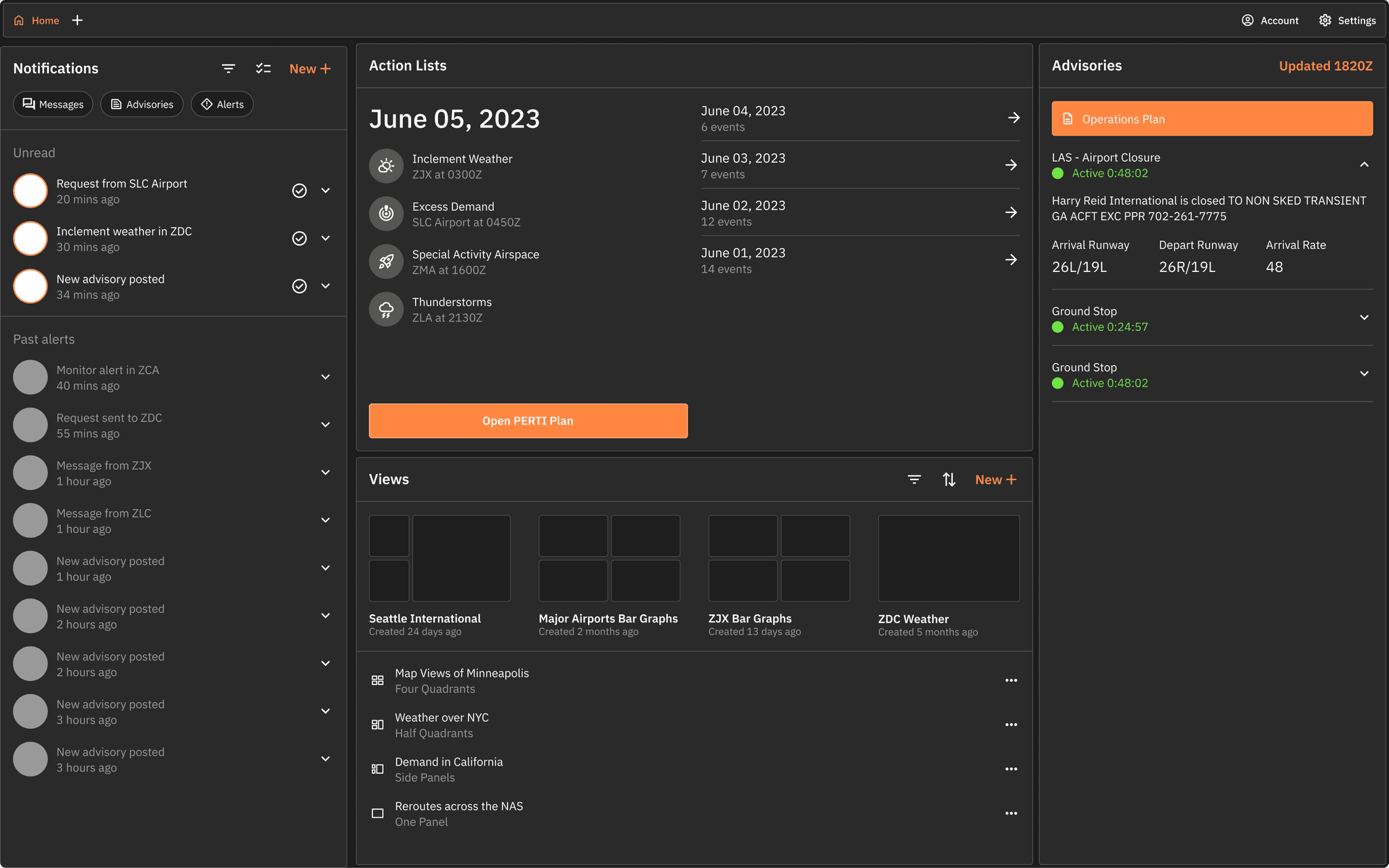
Instead of guiding air traffic controllers directly to the issues that need solving, the current system forces them to waste time searching through various applications to identify problems. When starting their day, controllers like Jean lack direction on where to begin, leading to unnecessary delays.
Our redesign solves this by introducing a central home page that acts as the hub for all notifications and tasks. When air traffic controllers log in, the home page displays missed messages from other airports or controllers, updates on current advisories, and a prioritized list of action items. This streamlined approach keeps controllers informed and focused, guiding them to the most urgent tasks right from the start.
Another key solution is the implementation of an interactive map that highlights areas of concern. In the current system, air traffic controllers must open separate windows and applications to address flight or weather patterns, which slows down the process. Our redesigned map is an all-in-one tool, easily accessible from the home screen. It uses color-coded icons to categorize issues and, when clicked, provides a close-up view of the area, along with a briefing and available solutions. This feature drastically reduces the time required to assess and address problems, giving controllers instant access to the information they need for rapid decision-making.
All of these features are housed within a modernized interface that aligns with the conventions of industry-leading software. By drawing from users' familiarity with everyday products, the interface feels intuitive and easy to use. Modernizing the system improves usability and shortens the learning curve, allowing air traffic controllers to become proficient in a fraction of the time it currently takes.
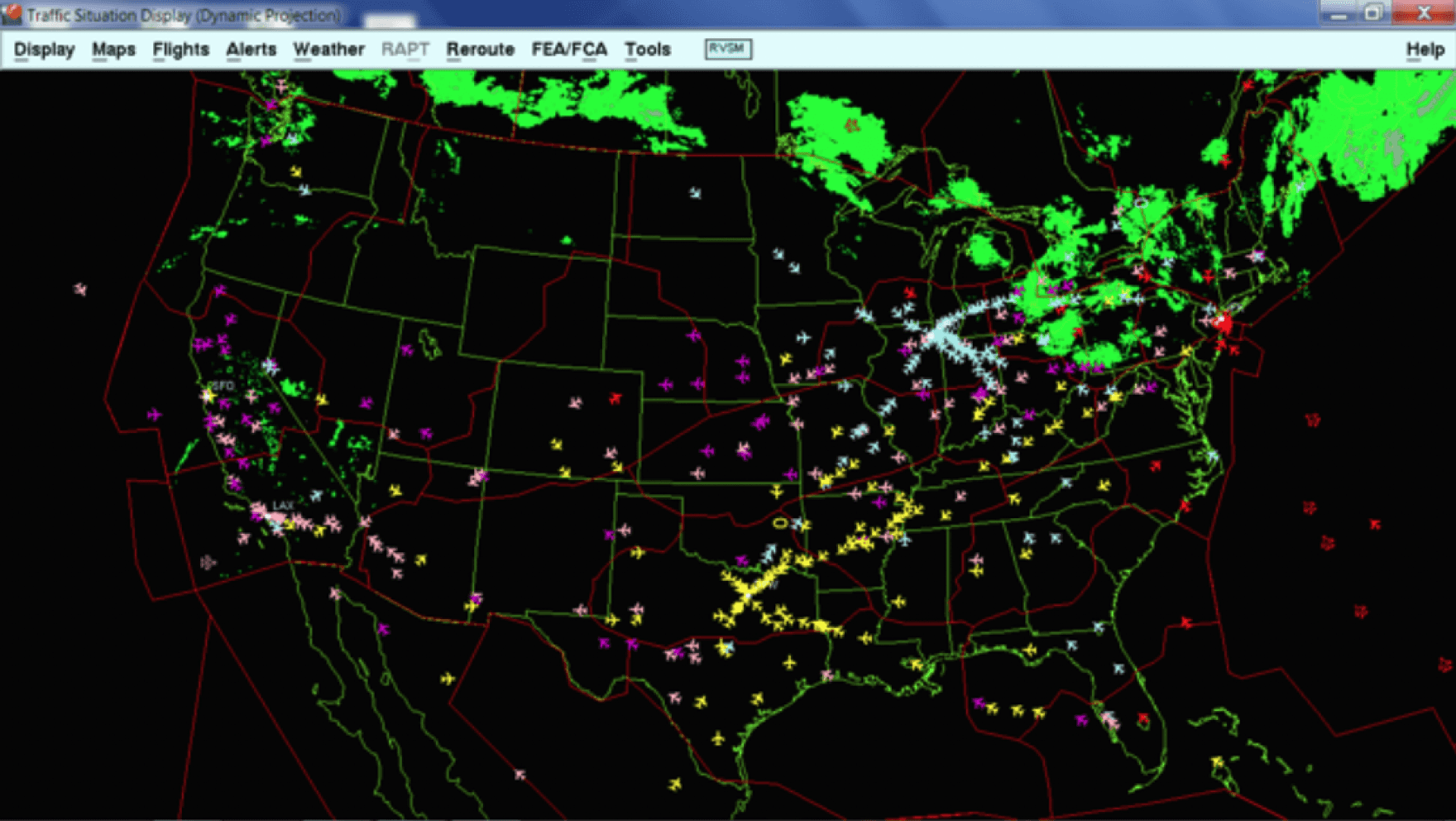
Current system map
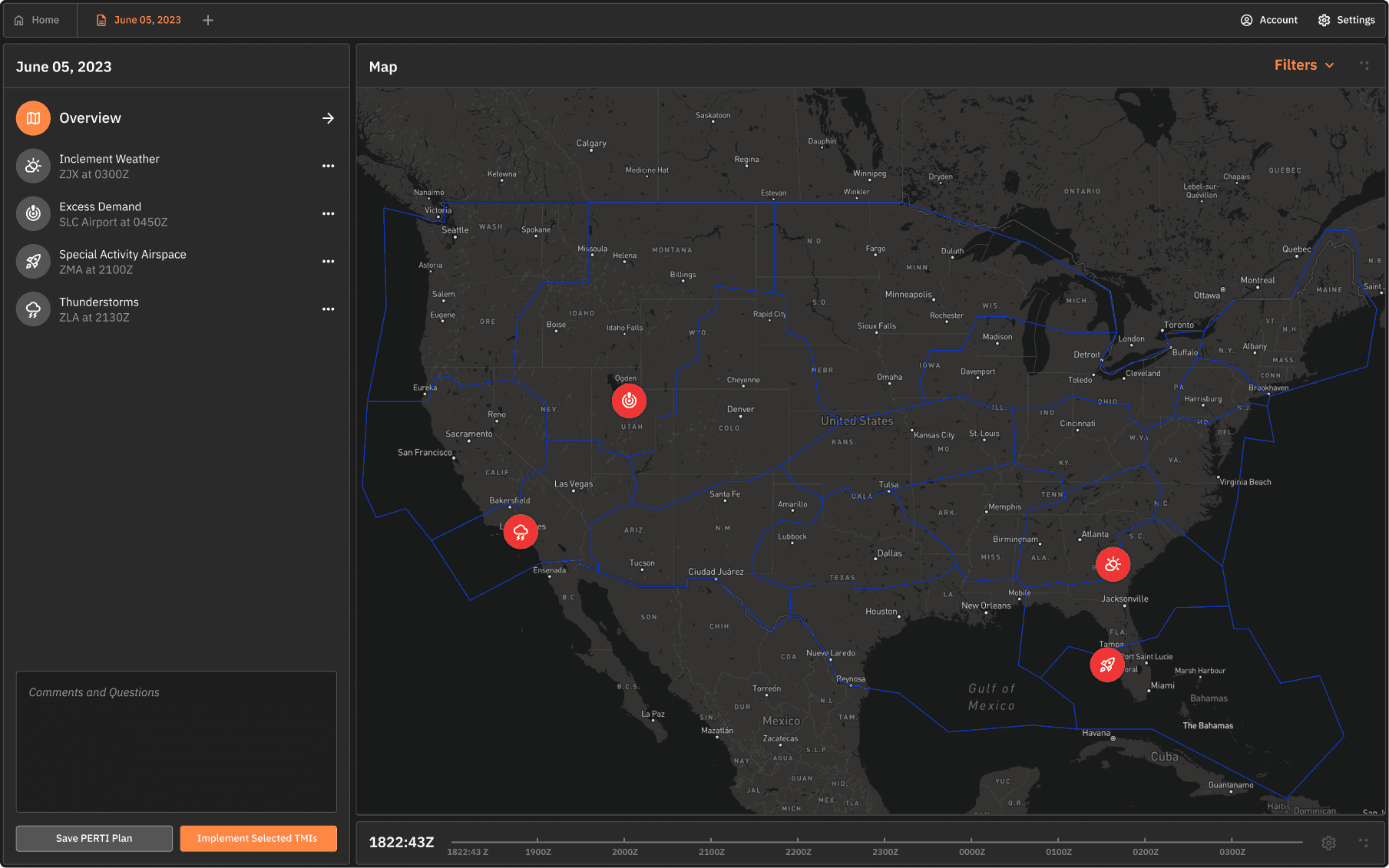
Interactive, redesigned map
Project Implications
At the conclusion of our design process, we presented our research findings to FAA officials, highlighting the challenges air traffic controllers face & showing these high-fidelity mockups to represent how they could be solved.
FAA officials expressed strong interest in incorporating many of our ideas into a new traffic management tool currently being scoped.
The proposed changes promise to:
Reduce onboarding time and costs for new air traffic controllers
Prioritize tasks based on roles and responsibilities
Decrease cognitive load, helping controllers manage air traffic more safely and effectively, and reduce burnout and turnover.
Improve communication, enhancing safety and efficiency for all stakeholders—government, FAA employees, the airline industry, and travelers.
As work progresses on the FAA's air traffic management system, our findings will continue to shape the design, ultimately improving the experience for everyone involved in U.S. air travel.